News & Analysis

Policy & Regulation

Policy and Regulation covers the rules that govern who can buy Taiwanese drones, what those drones may contain, and where they can be sold. That spans Taiwanese export licensing, United States measures including NDAA sourcing restrictions and Blue UAS listing, allied procurement rules that exclude Chinese-origin components, and the sanctions and entity-listing regimes that determine which counterparties are viable.

Compliance requirements are the most common reason a promising sourcing conversation stalls, and they change often enough that last year's understanding is unreliable. Coverage here explains what a rule requires in practice, whom it applies to, and what documentation a buyer or supplier should expect to produce.

Taiwan's Drone Cluster Is Forming. Can Its Own Party's Bill Undo It?

Policy & Regulation

Taiwan's Drone Cluster Is Forming. Can Its Own Party's Bill Undo It?

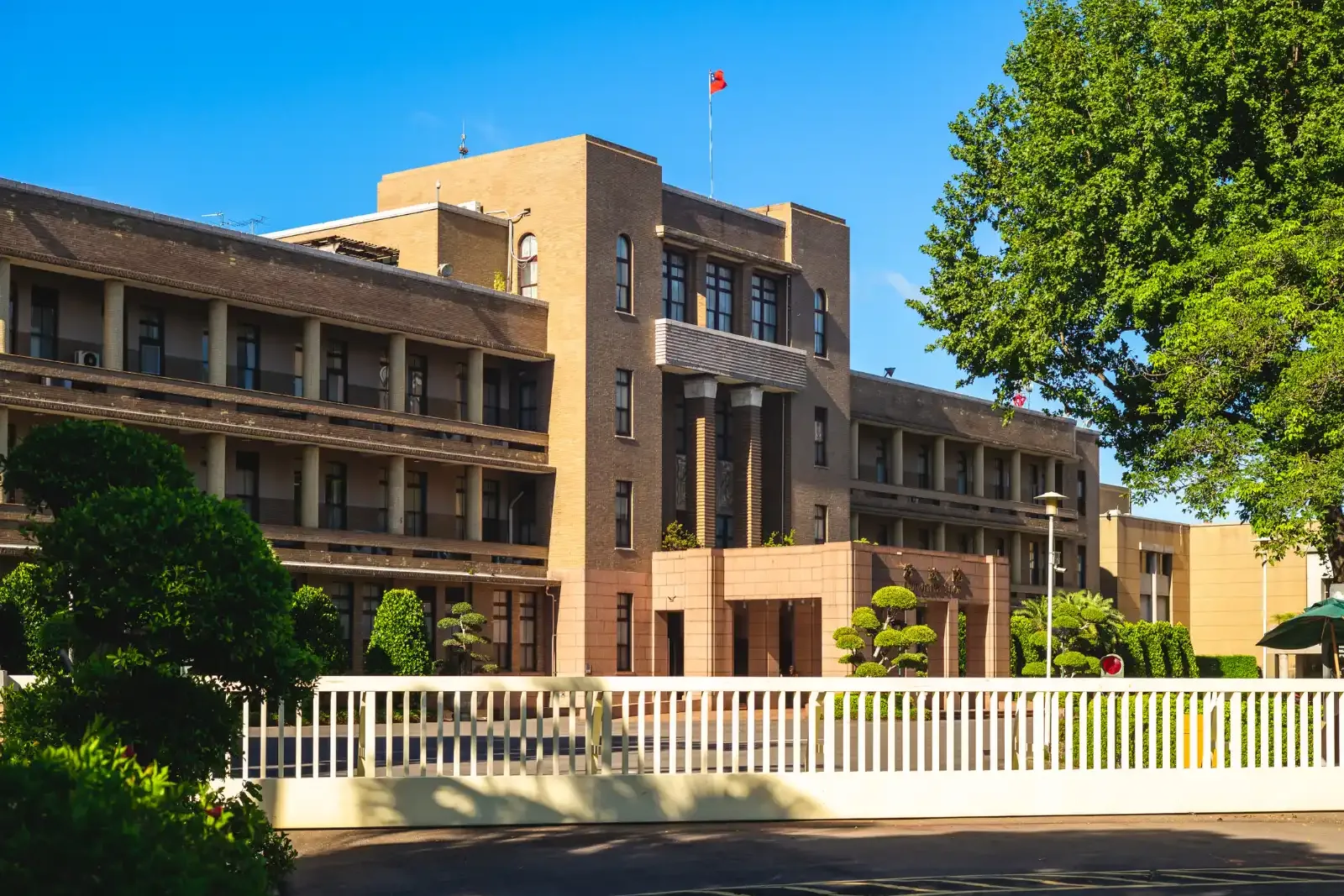
Taichung Mayor Lu Shiow-yen wants central funding for a drone corridor built on her city's existing cluster. Her own party's bill, now in joint committee review alongside three rivals after the July 3 referral, would cap how much production can concentrate in any one place. We break down the dispersal mandate, the KMT's confirmed NT$240 billion counter-proposal, and why Taiwan's own chip supply can't yet support a localization quota either way.

Sylvaine Li · Jul 10, 2026

Taiwan's MOEA Drone Subsidy Program: What the 2026 R&D Grant Means for Non-Red Supply Chain Suppliers

Policy & Regulation

Taiwan's MOEA Drone Subsidy Program: What the 2026 R&D Grant Means for Non-Red Supply Chain Suppliers

Taiwan's Ministry of Economic Affairs has opened applications for its Drone Advanced Technology R&D and International Business Opportunity Acceleration Subsidy Program — the MOEA's most direct investment vehicle yet in the 2027 non-red supply chain push. Here's what the program does, how it scores applications, and what it means for system integrators and component suppliers.

Sylvaine Li · Jun 22, 2026

The Blue Skies for Taiwan Act: What the New US Bill Means for Taiwan's Drone Industry

Policy & Regulation

The Blue Skies for Taiwan Act: What the New US Bill Means for Taiwan's Drone Industry

On 26 March 2026, four US Senators — Republicans Ted Cruz and John Curtis, Democrats Jeff Merkley and Andy Kim — introduced a bill that could reshape the commercial relationship between Taiwan's drone manufacturers and the US defense establishment. The Blue Skies for Taiwan Act of 2026 (S. 4259) is the first piece of US legislation written specifically to bring Taiwan drone and component manufacturers into the Department of Defense's Blue UAS supply chain.

Sylvaine Li · May 26, 2026

What the Pentagon's $55 Billion Drone Budget Means for Taiwan

Policy & Regulation

What the Pentagon's $55 Billion Drone Budget Means for Taiwan

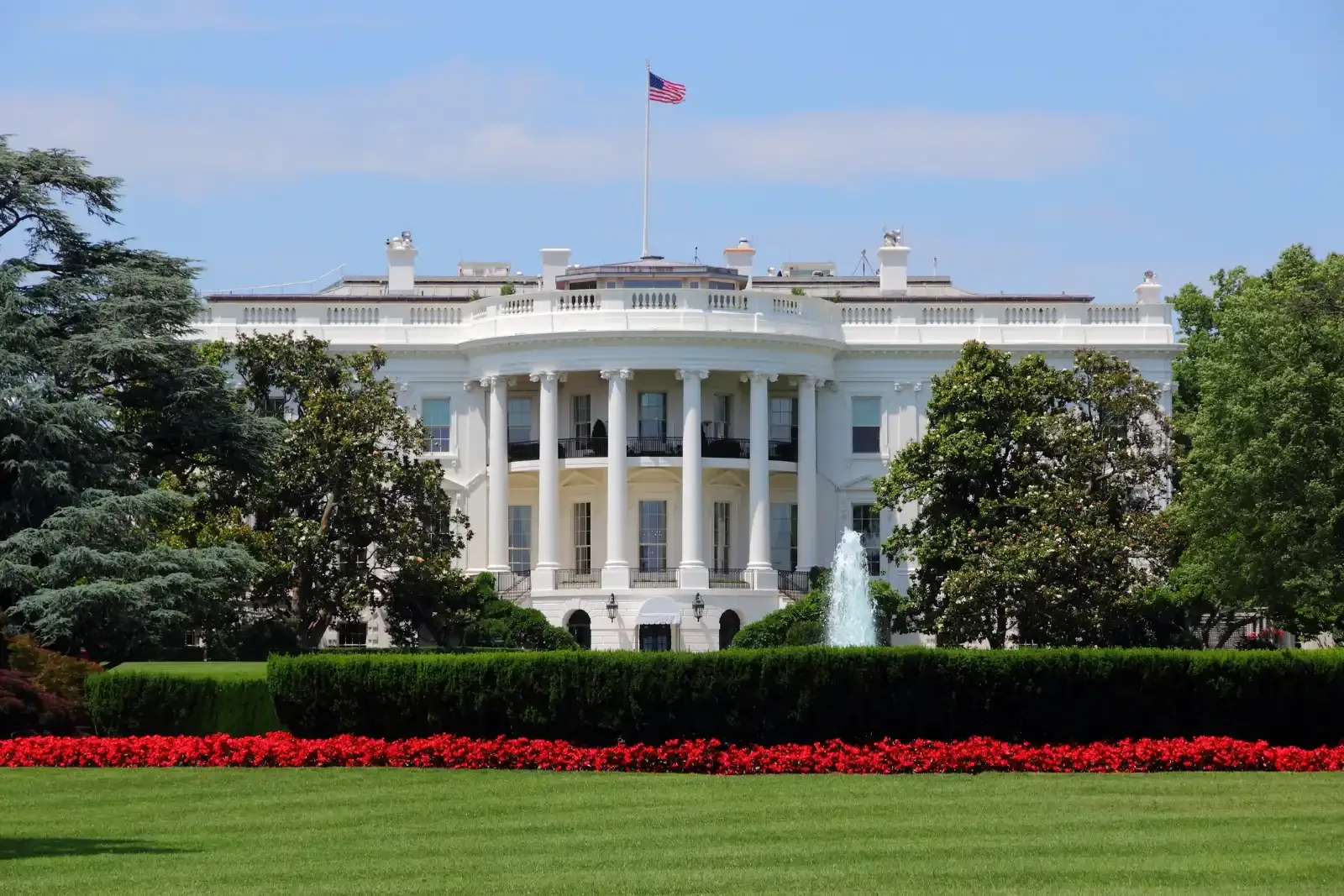
On April 3, 2026, the White House released a fiscal year 2027 defense budget request of $1.5 trillion — the largest in American history. The topline will dominate U.S. defense coverage for months, as will the political fight over pushing $350 billion of it through reconciliation. For drone manufacturers in Taiwan, though, the number to watch sits deeper in the request: $54.6 billion for the Defense Autonomous Warfare Group.

Sylvaine Li · May 19, 2026